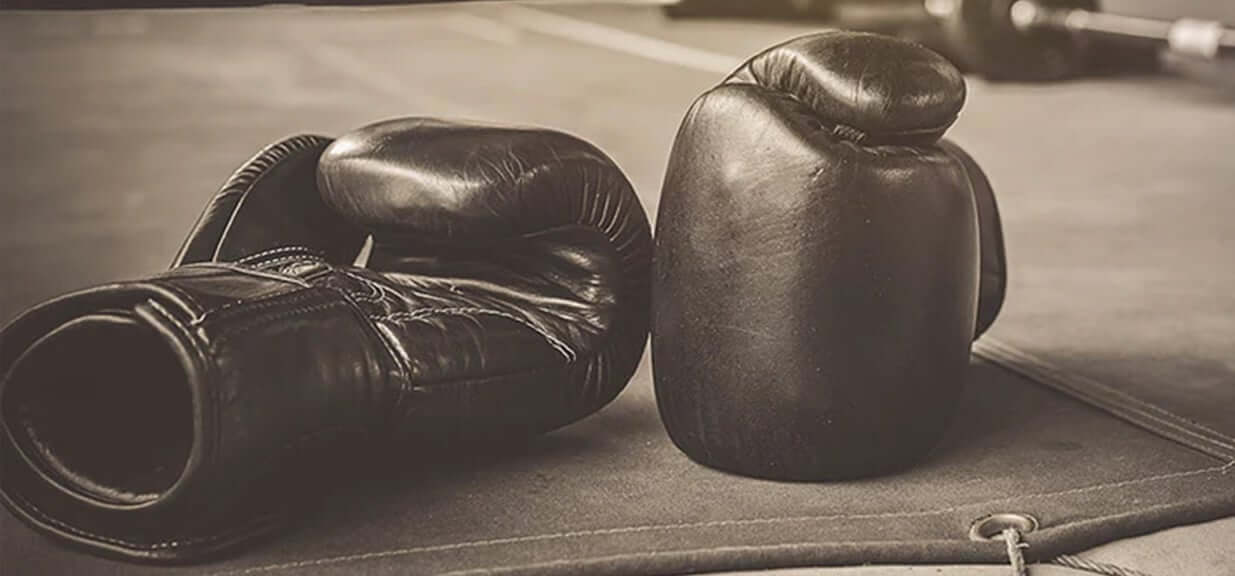
The type of boxing glove you need depends on what you actually do in the gym. Boxing gloves fall into six functional categories: all-round training gloves, dedicated bag gloves, traditional bag mitts, sparring gloves, amateur competition gloves and professional fight gloves. Each is built for a specific job, and using the wrong type can affect your training, your hands and your training partners.
Quick Answer: Which Type of Boxing Gloves Do You Need?
| Training activity | Main glove type | What to prioritise | Avoid |
|---|---|---|---|
| Fitness boxing and pads | All-round training gloves | Secure fit, wrist support and practical Velcro closure | Buying only by colour or brand |
| Regular heavy-bag work | Dedicated bag gloves | Stable wrist, durable construction and appropriate feedback | Using soft sparring gloves for heavy bag volume |
| Sparring | Dedicated sparring gloves | Partner-friendly padding profile and coach-approved weight | Bag gloves or fight gloves |
| Amateur competition | Approved amateur competition gloves | Correct approved model and event specification | Assuming every glove from an approved model is legal |
| Professional competition | Approved professional fight gloves | Contest approval, correct weight and lace-up fit | General training or sparring use |
| Mixed regular training | Separate bag and sparring pairs | Each glove reserved for its intended job | One worn pair for every session |
For exact ounce guidance, use the dedicated boxing-glove size guide and follow your coach's requirements.
Boxing-Glove Type Comparison Table
| Glove type | Designed for | Typical feel | Do not use for |
|---|---|---|---|
| All-round training gloves | Pads, general bags, fitness and drills | Balanced padding and practical fit | Regular sparring unless the specific glove and coach allow it |
| Dedicated bag gloves | Repeated bag and pad work | Compact, supportive and responsive | Sparring |
| Bag mitts | Technical bag work and direct feedback | Minimal, light and highly responsive | Sparring or inexperienced heavy punching |
| Sparring gloves | Controlled partner work | Wider and more cushioned striking profile | Heavy bag volume where it will harden the padding |
| Amateur competition gloves | Sanctioned amateur bouts and controlled familiarisation | Compact competition profile | Routine bag work or sparring |
| Professional fight gloves | Licensed professional contests | Compact, lace-up and contest-focused | Everyday training or sparring |
All-Round Training Gloves
All-round training gloves are designed for general gym use, particularly bags, pads and technical drills. Some models may be suitable for controlled partner work, but regular sparring is better performed in a dedicated sparring glove approved by your coach.
What they do well
These gloves offer a practical balance of padding, wrist support and convenience. Most use a Velcro strap closure so you can get them on and off independently between rounds. They suit fitness-focused sessions, pad rounds and general bag work where you are not hitting at maximum force for extended periods.
Limitations
Because they span multiple roles, all-round training gloves rarely excel at a single one. The padding profile is typically a compromise: not as compact and responsive as a dedicated bag glove, and not as broad or cushioned as a purpose-built sparring glove. If your training involves regular heavy-bag sessions or regular sparring, a dedicated glove for each is a better long-term approach.
Browse the full range: boxing gloves collection.
Dedicated Bag Gloves
Dedicated bag gloves are built to withstand repeated impact against bags and pads. They usually provide a more compact, responsive feel than sparring gloves, but the exact padding density and wrist structure differ between models.
What they do well
A dedicated bag glove prioritises durability, wrist stability under repeated load and a responsive striking surface. This means you feel the punch land cleanly, which helps refine technique and timing. The construction is designed to hold its shape over thousands of impacts rather than soften and spread the way a sparring glove should.
Limitations
Bag gloves are not designed for partner work. The compact striking surface and firmer padding profile can increase the risk of injury to a training partner. They should never be used for sparring, regardless of weight.
See our picks: best boxing bag gloves UK or browse the bag gloves collection.
Traditional Bag Mitts
Traditional bag mitts provide direct feedback and encourage accurate fist formation, but they offer less structure and cushioning than full training gloves. They are better suited to experienced boxers with reliable technique than beginners learning to punch.
What they do well
Bag mitts strip things back. They are lighter, less bulky and give you the closest feeling to a bare fist without actually being one. For experienced boxers working on speed, accuracy and combination flow, they offer excellent tactile feedback that a heavier glove masks.
Limitations
The reduced padding and structure mean bag mitts provide less wrist support and less knuckle protection. Throwing heavy shots with poor technique in a bag mitt can contribute to wrist strain, knuckle bruising or impact injuries. They are absolutely not for sparring or any form of partner work, and they are not ideal for someone still developing a consistent, structurally sound punch.
Sparring Gloves
Sparring gloves are designed for controlled partner work. They generally use a broader padding profile intended to spread impact more effectively than a dedicated bag or fight glove. Padding feel varies between models, so a glove should be judged by its complete construction and condition rather than the word "sparring" alone.
What they do well
The wider padding profile distributes force across a larger area, which helps protect your training partner's face, head and body. A good sparring glove encourages responsible work rate and makes controlled rounds safer and more productive for both boxers.
16oz is the most common adult sparring weight in UK boxing gyms, although individual coaches may require 14oz, 16oz or 18oz depending on the boxer, partner and glove. Always confirm the required weight with your coach before sparring. For a deeper comparison, read our 14oz vs 16oz guide.
Limitations
Using sparring gloves for heavy-bag work can pack down and harden the padding over time, reducing the cushioning they are designed to provide. Once that happens, the glove no longer serves its primary purpose. Keep sparring gloves for sparring and use a separate pair on the bags.
Browse options: sparring gloves collection or read the best sparring gloves guide.
Amateur Competition Gloves
Amateur competition gloves are specific models approved for sanctioned amateur bouts. Approval applies to the individual glove model, not the manufacturer's complete range. They are normally used for competition and occasional pad or technical familiarisation under a coach's direction, not everyday bag work or sparring.
Governance and approval
Domestic amateur boxing is governed by the relevant home-nation body, including England Boxing, Welsh Boxing and Boxing Scotland. These organisations may use World Boxing rules alongside their own domestic requirements, so boxers should confirm the current rules with their coach and competition organiser.
Competitors do not use their own gloves. Gloves are provided ringside. However, owning a pair of the approved model allows you to train in the same glove you will compete in, which helps with feel and familiarity.
Limitations
Competition gloves feature a compact padding profile built to contest specification. They are not designed for the repeated impact of daily bag work, and using them routinely will degrade the padding. They are also not intended as sparring gloves for regular partner sessions.
For more detail, read our guides on gloves used in UK amateur competitions and amateur boxing equipment for competitions.
Professional Fight Gloves
Professional fight gloves are used in licensed professional contests sanctioned by bodies such as the British Boxing Board of Control (BBBoC). They are 8oz or 10oz under British professional rules, feature a lace-up closure and are more compact than training and sparring gloves.
What they do well
Fight gloves are designed for the specific demands of a sanctioned contest. They are subject to approval and inspection before use. The compact profile and lace-up fit provide a secure, precise shape that a Velcro training glove does not replicate.
Limitations
Professional fight gloves are not intended for routine bags or sparring. Their compact construction means they do not spread impact in the way a sparring glove should, and using them on the heavy bag will wear down a glove built for a limited number of contest rounds. They exist for one purpose: competition.
Can One Pair Cover Every Type of Training?
In theory, an all-round training glove can handle pads, light bag work and basic drills in a single session. In practice, as soon as your training includes both regular bag work and sparring, a single pair creates compromises that affect either your hands, your partner or the longevity of the glove.
The most practical minimum setup for a boxer who trains regularly across bags and sparring is two pairs: one for equipment work and one for partner work. This keeps each glove performing its intended job and extends the usable life of both.
If you only attend fitness boxing or pad-focused classes with no sparring, a quality all-round training glove is a sensible single purchase. See our beginner guide for more on getting started with one pair.
Which Glove Type Suits Your Weekly Training?
Rather than prescribing arbitrary frequency rules, consider what each session involves:
- Pad rounds, circuits and fitness boxing only: All-round training gloves will serve you well.
- Dedicated heavy-bag sessions: A pair of bag gloves will outlast training gloves and give you better feedback.
- Sparring of any kind: A dedicated sparring glove at the weight your coach requires is non-negotiable.
- Competition preparation (amateur): Familiarisation in the approved model alongside your regular training pairs.
- Speed and technical bag work (experienced): Bag mitts provide the feedback you need once your technique is reliable.
If your weekly schedule includes both bag work and sparring, you need at least two pairs. That is not a marketing line; it is how you protect both gloves and training partners.
How FightGear Identifies a Glove's Real Purpose
Marketing labels can be vague. When we categorise a glove on our site, we assess six factors:
- Padding profile: Is it broad and cushioned for partner work, or compact and responsive for equipment?
- Striking surface: Does the glove create a wide contact area or a sharper, more compact point of contact?
- Wrist structure: Is the cuff designed for repeated bag stability, easy gym use or a contest-style lace-up fit?
- Intended use from the manufacturer: Does the manufacturer specifically classify the model for bags, sparring or competition?
- Condition of the padding: Even a dedicated sparring glove becomes unsuitable when the padding packs down or develops firm spots.
- Coach approval: A glove sold as "all-purpose" does not automatically make it suitable for partner work.
This checklist applies to any glove at any price point. A label on the box is a starting point, not the final word.
Common Glove-Type Mistakes
- Using one pair for everything: Bag work hardens sparring gloves. Sparring in bag gloves can increase injury risk for your partner. Separate pairs solve both problems.
- Assuming brand equals approval: A brand may produce approved competition models alongside general training gloves. Approval applies to the specific model, not the brand's entire catalogue.
- Choosing by weight alone: A 16oz bag glove and a 16oz sparring glove are built differently. Weight is one factor; padding shape, density and construction matter just as much.
- Ignoring glove condition: Padding degrades with use. A two-year-old sparring glove with packed-down foam is no longer doing the job it was designed for, regardless of what the label says.
- Treating closure type as a glove category: Velcro and lace-up are closure systems. They tell you how the glove fastens, not what it is designed for. Both closures appear across training, sparring and competition gloves.
- Sparring in competition gloves: The compact profile of a fight glove concentrates force rather than spreading it. Using them for regular sparring is neither safe for your partner nor good for the glove.
Where to Go Next
Now you know the six glove types and which suits your training, use the links below to take the next step:
- What size boxing gloves should you use? Choose the correct weight for your body and training type.
- Boxing gloves explained: how to choose the perfect pair. Our full pillar guide covering materials, construction and fit.
- Best boxing gloves in the UK. Curated recommendations across categories.
- Best boxing bag gloves UK. Top picks for dedicated bag work.
- Best sparring gloves UK. Partner-friendly options reviewed.
- How to choose boxing gloves for amateur boxing training. Tailored advice for amateur boxers.
- Shop all boxing gloves.
FAQs
What type of boxing gloves should a beginner buy?
A beginner doing fitness boxing, pads and light bag work should start with a quality pair of all-round training gloves with a Velcro closure. These cover the most common activities in a beginner's first weeks and months. Once sparring is introduced, a separate pair of sparring gloves at the weight your coach requires becomes essential. See our complete beginner guide for more detail.
What is the difference between training and bag gloves?
"Training gloves" is a broad product label that can encompass all-round gym gloves and sometimes sparring gloves. Dedicated bag gloves are specifically constructed for repeated impact against bags and pads, with a more compact, responsive feel and durable build. A general training glove aims to cover multiple activities acceptably, while a bag glove is optimised for one.
Can training gloves be used for sparring?
Some all-round training glove models may be suitable for controlled partner work if your coach approves them. However, regular sparring is better performed in a dedicated sparring glove with the appropriate padding profile and weight. The word "training" on the label does not guarantee suitability for partner work.
Do I need separate gloves for bags and sparring?
Yes, if your training regularly includes both. Bag work can harden and pack down the padding in sparring gloves, reducing their ability to protect your partner. Equally, sparring gloves used on the heavy bag will degrade faster. Two dedicated pairs, one for each purpose, is the most practical approach.
What is the difference between amateur and professional fight gloves?
Amateur competition gloves are specific models approved by the governing body for sanctioned amateur bouts, and they are provided ringside rather than brought by the competitor. Professional fight gloves are 8oz or 10oz under British rules, feature a lace-up closure and are subject to approval and inspection for licensed professional contests. Both are compact, contest-focused gloves, but they serve different governing structures and rule sets.